
Aether: films and series set in space, and where to watch them
From The Right Stuff, Apollo 13 and Hidden Figures to Gravity, Moon and Ad Astra, from Star Trek, Babylon 5 and Battlestar Galactica to Firefly and Serenity, and from Spaceballs and Galaxy Quest to Futurama. Choose a star and press Watch now.

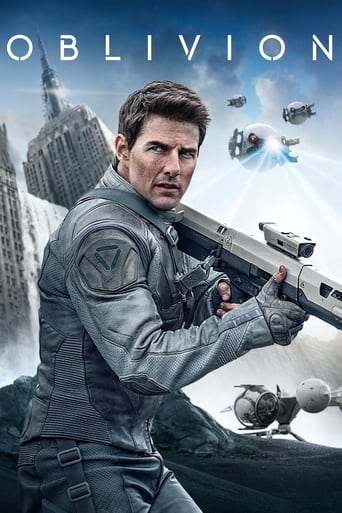


✦
Mission log
Real missions and true stories, in order of release.
- 1983The Right StuffFilm
- 1989For All MankindFilm
- 1995Apollo 13Film
- 1999October SkyFilm
- 2000Space CowboysFilm
- 2007The UniverseSeries
- 2007In the Shadow of the MoonFilm
- 2014CosmosSeries
- 2016Hidden FiguresFilm
- 2016MarsSeries
- 2018The FarthestFilm
- 2019For All MankindSeries
- 2019Apollo 11Film
- 2022Return to SpaceFilm
- 2023A Million Miles AwayFilm
- 2024Fly Me to the MoonFilm
- How to watch with AetherFrom the star chart to lift-off.
- Real missions on AetherThe true story of the space age.
- Star Trek on AetherEvery voyage of the Enterprise and beyond.
- Space opera on AetherRebels, empires and ships of misfits.
- Alone in the voidQuiet, haunting voyages.
- Space comedy on AetherLaughter at light speed.
- Subtitles and audioTracks for every traveller.
- The official Aether siteRecognising Aether.
- Is Aether working?A quick check and simple fixes.
- Where Aether titles streamThe official services behind the guide.
- Apps and devicesPhones, tablets, laptops and TVs.
- Free space filmsLegal ways to watch at zero cost.
- Streaming safelyA short checklist.
- Finding a titleSearch, orbits and the A-Z.
- My ListSaving titles and following series.
Aether: films and series set in space, from The Right Stuff and Apollo 13 to Gravity, Star Trek, Battlestar Galactica and Futurama
The ancient Greeks imagined that above the air we breathe lay a purer, brighter substance that filled the heavens and carried the stars. They called it aether, the fifth element, and for two thousand years it stood for the sky beyond the sky. Aether takes that old name for a new purpose. It is a guide to films and series set in space or about the journey there: real missions and the people who flew them, lonely voyages to distant moons, great space operas with rebel crews and galactic empires, the long-running adventures of Star Trek, Stargate and Star Wars, and comedies that find the funny side of zero gravity. Every title has a Watch now button that opens it on the official services in your country.
Space has always been one of cinema's grandest subjects. It offers the biggest canvas imaginable and the deepest questions: where we come from, whether we are alone, and how far human courage and curiosity can reach. It also offers some of the most intimate stories, of a single astronaut far from home or a small crew holding together in a fragile ship. Aether is a friendly star chart through all of it, for anyone who has ever looked up on a clear night and wondered.
An original design
The archived captures of the Aether names show parking pages, a domain sale page, an NFT project and a few unrelated businesses, so Aether's look was designed from its name. The page is a deep navy night sky, scattered with a soft field of stars, and brightened near the top by a faint blue glow like the edge of a galaxy. Panels are a starlit blue-black with fine borders and gently rounded corners. The main accent is a pale, luminous blue, the colour of starlight through thin air, used for links, focus rings and the halo of the planet on the home page; small details are picked out in a warm star gold.
Headings and the wordmark are set in Cormorant Garamond, an elegant classical serif that suits a name from ancient philosophy, and the body text is set in Inter for easy reading. The logo is a four-pointed gold star inside a faint blue orbit, followed by the word AETHER in widely spaced capitals, and the favicon shows the same star on a night-sky tile.
The header
The header is centred like the title of a star atlas. The search field sits on the left, the AETHER wordmark in the middle and a gold outlined My List button on the right. Beneath them runs a row of small capital links, Home, Films, Series, Missions, Star Trek and the A-Z index, divided by fine vertical lines, with the page you are on glowing blue. The header stays with you as you scroll, and on a phone it folds into a round menu button that opens the search field and every section. The finding a title guide explains the search field in detail.
The sky and the constellation
The home page opens with a wide panel of night sky. A pale blue planet glows in the top corner, half out of frame, and beside it stand the site's headline and a short introduction. Below them lies a constellation: six featured titles shown as round portraits, each ringed with a thin line of blue light and joined to its neighbours by a single glowing line, like stars in a star chart. Under each portrait sits the title in serif letters and the year in small capitals. Choose one and you are taken straight to its page.
The Orbit shelves
Below the sky, the shelves are arranged as numbered orbits, Orbit I, Orbit II and so on, each with a gold number, a large serif heading, a one-line description and an All titles link. The first two orbits show the most popular films and series; the following ones gather solitary voyages, space opera, Star Trek, space comedy and visitors to Earth. The poster cards have rounded corners and a fine border that glows blue under the pointer, and each shows the title in serif type, followed by the words Film or Series and the year in small capitals.
The mission log
Midway down the page sits the mission log: a list of real missions and true stories in order of release, from the documentaries of the 1980s to the most recent films, each marked by a small gold star on a thin vertical line, like entries in a flight record. It is the quickest way to trace the true story of the space age on screen, and it links to the real missions guide for more.
The title page
Each title opens onto a page of its own. The poster stands on the left, and beside it you will find the English and original titles, the year, the genres and the audience rating, then a summary of the story and the leading cast. For a series, every season is laid out with its episodes and their broadcast dates, and a tick beside each one records how far you have travelled. The country selector and the Watch now button sit close to the poster: choose where you are, press the button, and JustWatch lists the services that carry the title there. The how to watch guide explains the whole route from sky to screen.
The real space age
Some of the finest space films tell true stories. The Right Stuff, from 1983, adapts Tom Wolfe's book about the test pilots of the 1940s and the first American astronauts of the Mercury programme, with Sam Shepard as the record-breaking pilot Chuck Yeager, and it won four Academy Awards. Hidden Figures tells the story of Katherine Johnson, Dorothy Vaughan and Mary Jackson, the brilliant mathematicians and engineers at NASA whose calculations helped send John Glenn into orbit, played by Taraji P. Henson, Octavia Spencer and Janelle Monáe. October Sky follows Homer Hickam, a coal miner's son in West Virginia who, inspired by the launch of Sputnik in 1957, builds rockets with his friends and dreams of a career at NASA.
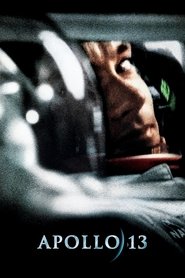
Apollo 13, directed by Ron Howard, recreates the 1970 mission in which an explosion crippled a spacecraft on its way to the Moon, and the engineers on the ground improvised a way to bring the crew home, with Tom Hanks as the commander Jim Lovell and Ed Harris as the flight director Gene Kranz. Apollo 11 tells the story of the first Moon landing entirely through archive footage, much of it newly discovered large-format film restored to breathtaking clarity. A Million Miles Away follows José Hernández from the fields of California, where he worked as a child of migrant farm workers, to a place on the Space Shuttle, and Space Cowboys sends four veteran test pilots, played by Clint Eastwood, Tommy Lee Jones, Donald Sutherland and James Garner, into orbit at last.
Documentaries
The real thing can be the most astonishing of all, and the Space documentaries shelf gathers some remarkable films. For All Mankind, from 1989, weaves the Apollo missions into a single dreamlike journey with music by Brian Eno. In the Shadow of the Moon lets the surviving Apollo astronauts tell their stories in their own words, and The Farthest follows the Voyager probes on their journey past the outer planets and into interstellar space. Return to Space goes behind the scenes of the first crewed flight of a private spacecraft to the International Space Station, and the series Cosmos and The Universe explain the science of the stars with spectacular imagery.
Alone in the void
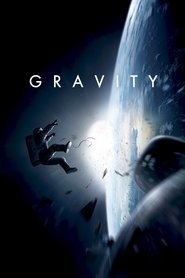
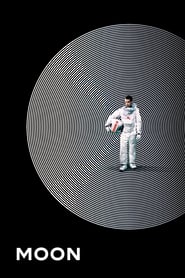
Space is vast, silent and indifferent, and some of the most powerful films on Aether are about the loneliness of being out there. Gravity, directed by Alfonso Cuarón, follows a medical engineer, played by Sandra Bullock, set adrift after debris destroys her shuttle, and its long opening shot drifts around the astronauts above the curve of the Earth; it won seven Academy Awards. Moon, the debut of Duncan Jones, stars Sam Rockwell as a man finishing a three-year shift alone at a mining base on the far side of the Moon, who begins to suspect that something about his mission is very strange. Silent Running follows a gentle botanist caring for the last forests of Earth in domes aboard a spacecraft, helped by three small robots.
Sunshine, directed by Danny Boyle, sends a crew to reignite a dying Sun, Ad Astra follows Brad Pitt's astronaut to the edge of the solar system in search of his missing father, and Solaris, from Stanisław Lem's novel, finds a psychologist haunted by memories aboard a space station orbiting a mysterious planet. Passengers wakes two travellers ninety years too early on a ship bound for a distant colony, Stowaway tests the conscience of a Mars crew who discover an unexpected extra passenger, and Europa Report follows a private mission to the icy moon of Jupiter. The alone in the void guide and the Alone in the void collection gather twenty-five such voyages.
Mars and the planets
Mars has fascinated storytellers for more than a century, and several titles on Aether imagine the first human steps on the red planet. Red Planet and Mission to Mars, both from 2000, send crews to investigate strange discoveries on the surface. The series Away follows Hilary Swank as the commander of the first crewed mission to Mars, balancing her duty with her family on Earth, The First follows Sean Penn as the leader of a similar mission from the point of view of the people left behind, and Mars blends a drama about a future colony with documentary interviews with real scientists and engineers.
Star Trek
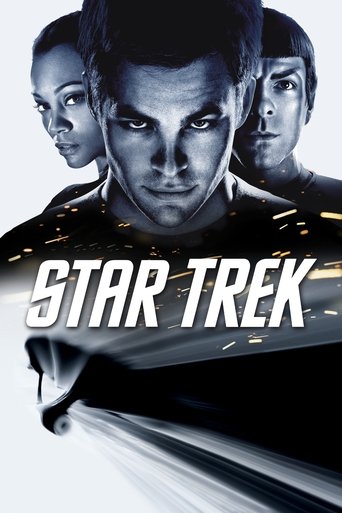
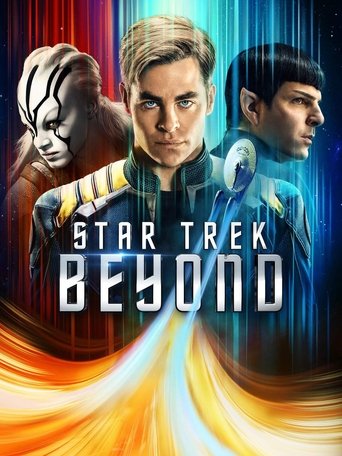
Since 1966, Star Trek has imagined a hopeful future in which humanity explores the galaxy in peace, and the Star Trek shelf holds twenty-two films and series. Among the films, Star Trek II: The Wrath of Khan pits Captain Kirk against a genetically engineered enemy from his past, played with operatic relish by Ricardo Montalbán, and it is often called the finest Trek film of all. Star Trek IV: The Voyage Home sends the crew back to 1980s San Francisco to find a pair of humpback whales, and Star Trek: First Contact brings Captain Picard face to face with the Borg as they try to stop the first human warp flight. The reboot of 2009, Star Trek, cast Chris Pine and Zachary Quinto as young versions of Kirk and Spock.
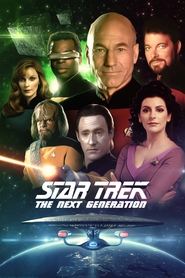
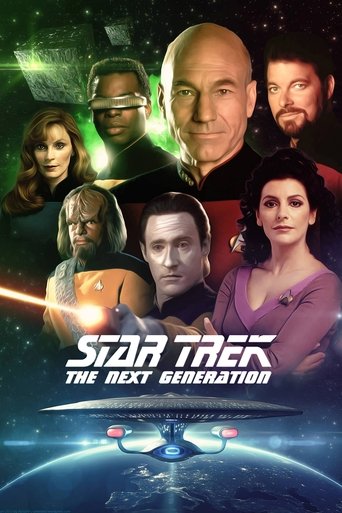
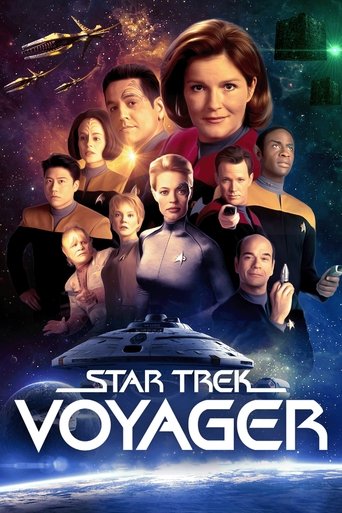
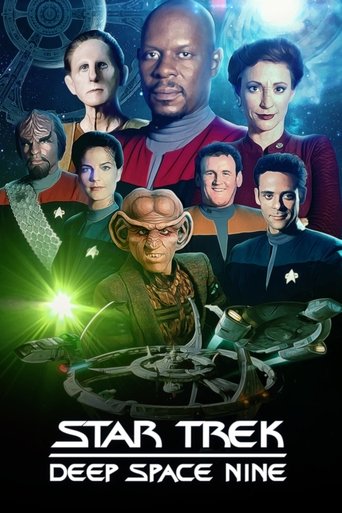
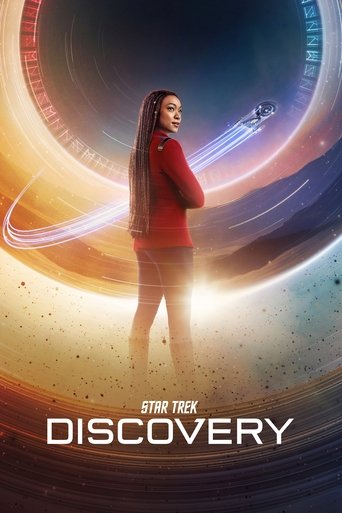
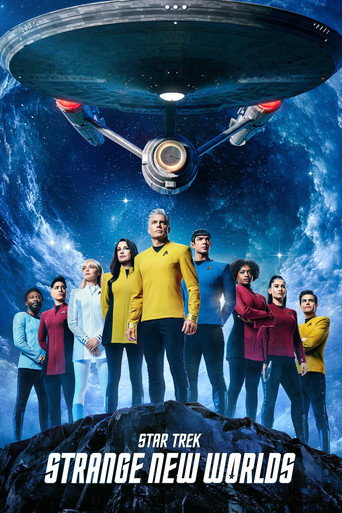
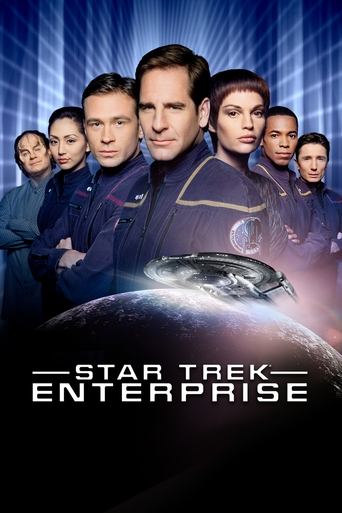
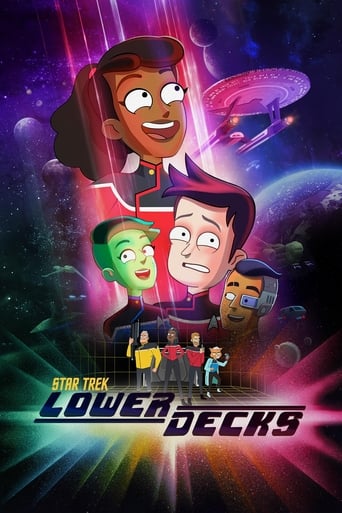
On television, Star Trek: The Next Generation followed Captain Jean-Luc Picard, played by Patrick Stewart, for seven seasons of thoughtful adventures, and Star Trek: Deep Space Nine moved the action to a space station on the edge of a war. Star Trek: Voyager strands Captain Kathryn Janeway's ship on the far side of the galaxy, some seventy-five years from home, and Star Trek: Enterprise tells the story of the first starship to bear the name. The modern era includes Star Trek: Discovery, Star Trek: Picard, the animated comedy Star Trek: Lower Decks, the children's series Star Trek: Prodigy and Star Trek: Strange New Worlds, which follows Captain Pike on classic episodic voyages. The Star Trek guide suggests where to begin.
Star Wars
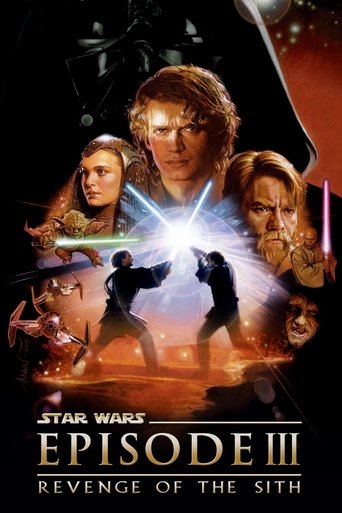
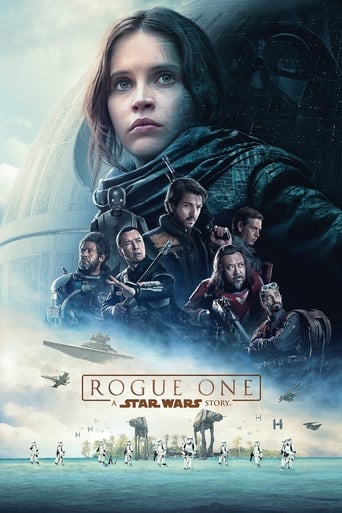
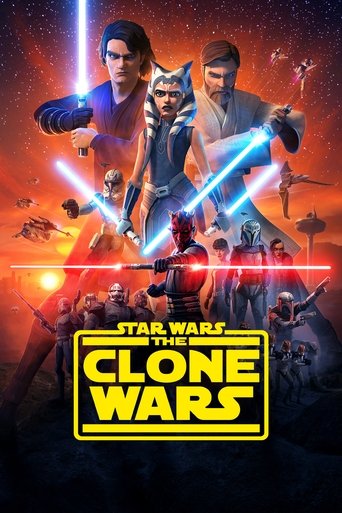
The Star Wars saga has its own orbit on Aether. The prequels Star Wars: Episode II - Attack of the Clones and Star Wars: Episode III - Revenge of the Sith follow Anakin Skywalker's fall, Rogue One: A Star Wars Story tells the story of the rebels who stole the plans for the Death Star, and Solo: A Star Wars Story follows the young Han Solo. The animated series are some of the richest Star Wars storytelling: Star Wars: The Clone Wars follows the Jedi through the war, Star Wars Rebels follows a small crew in the early days of the rebellion, Star Wars: The Bad Batch follows a squad of unusual clones, and Star Wars: Visions invites anime studios to reimagine the galaxy. Ahsoka brings Anakin's former apprentice into live action. Open Star Wars.
Stargate
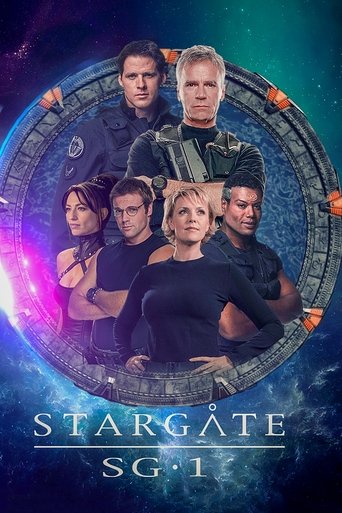
In 1994, the film Stargate imagined an ancient ring that opens a wormhole to other worlds, and its television successor, Stargate SG-1, ran for ten seasons with Richard Dean Anderson as the dry-witted Colonel Jack O'Neill. Stargate Atlantis sent a new team to a lost city in another galaxy, Stargate Universe stranded a crew aboard an ancient ship, and the feature-length films Stargate: The Ark of Truth and Stargate: Continuum completed the story of SG-1. Open Stargate.
Space opera
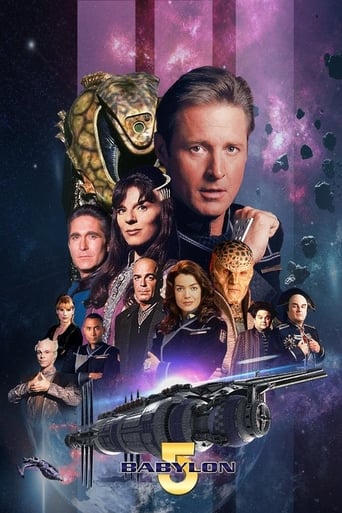
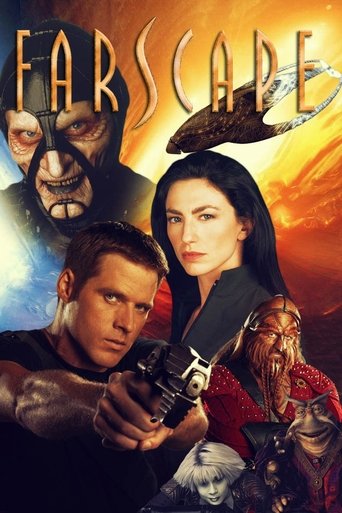
Space opera is adventure on the grandest scale, with rebel crews, galactic empires and ships that feel like home. Firefly, from Joss Whedon, follows the crew of a battered transport ship scraping a living on the frontier of a settled solar system, a western in space with a wonderful ensemble; it ran for a single season of fourteen episodes, and the film Serenity brought its story to a satisfying end. Farscape strands an American astronaut among a crew of escaped prisoners on a living ship, with creatures from the Jim Henson Company. Babylon 5 was planned as a five-year novel for television, with a space station at the centre of an interstellar war.
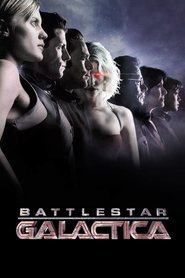
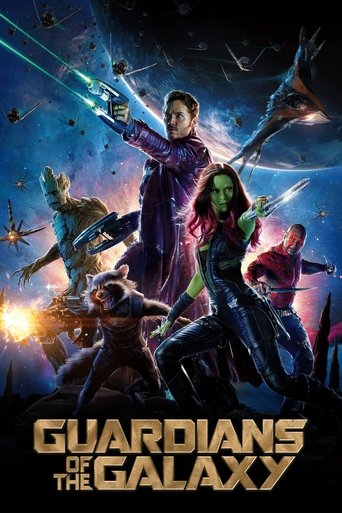
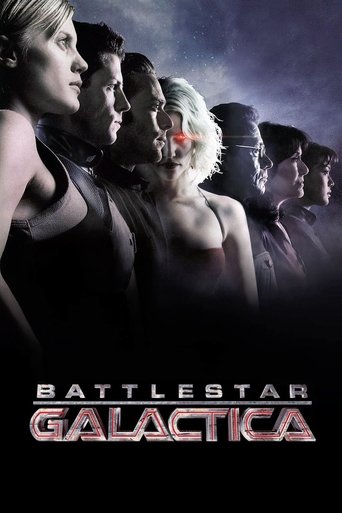
Battlestar Galactica, from 2004, reimagines a 1970s series as a gripping drama about the last survivors of humanity fleeing a machine enemy that can look human, with Edward James Olmos and Mary McDonnell; its prequel, Caprica, explores how the machines were made, and the original Battlestar Galactica of 1978 is here too. On the big screen, Guardians of the Galaxy assembles a gang of misfits to a soundtrack of 1970s pop, Valerian and the City of a Thousand Planets brings a classic French comic to vivid life, and Flash Gordon, from 1980, is a gloriously colourful adventure with a thunderous soundtrack by Queen. The space opera guide and the Space opera collection continue the journey.
Space comedy
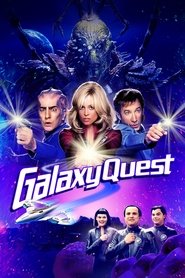
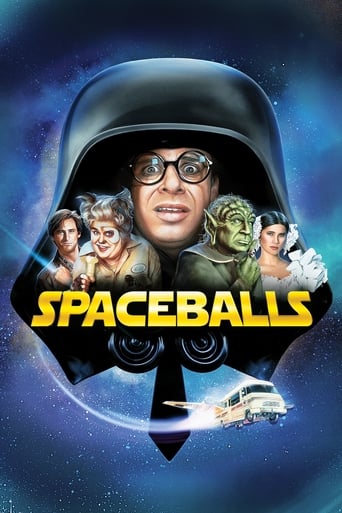
Space is serious business, which is exactly why it makes such good comedy. Spaceballs, from Mel Brooks, is a gleeful parody of the great space sagas, and Galaxy Quest is one of the most affectionate comedies ever made about fans and the shows they love: the washed-up cast of a cancelled science-fiction series, played by Tim Allen, Sigourney Weaver and Alan Rickman, are mistaken by real aliens for genuine heroes. Airplane II: The Sequel moves the disaster spoof to a lunar shuttle, and Dark Star, the first film by John Carpenter, is a low-budget cult comedy about a bored crew and a philosophical bomb.
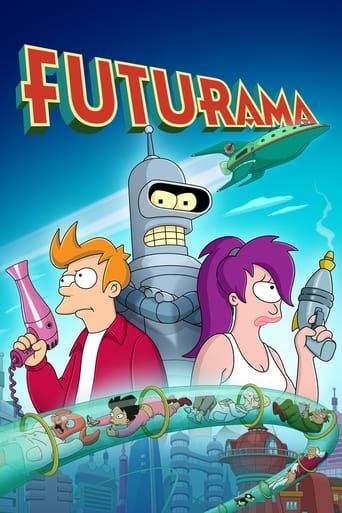
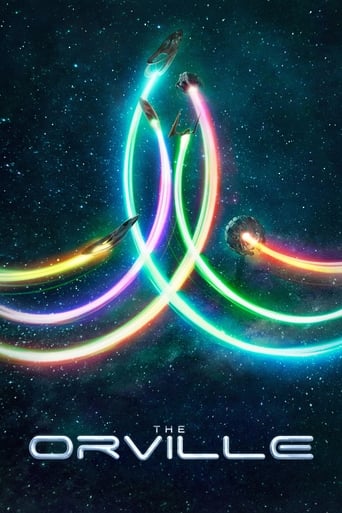
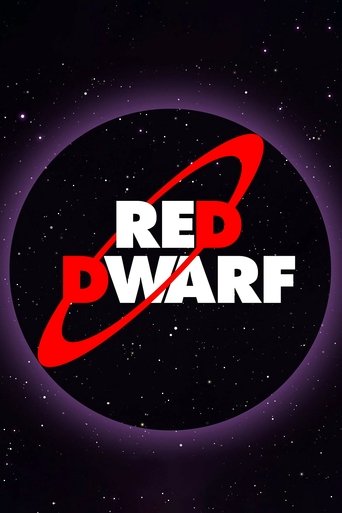
On television, Red Dwarf follows the last human alive, three million years into deep space, with a hologram, a cat who evolved into a man and a very anxious android. Futurama, from Matt Groening, sends a pizza delivery boy a thousand years into the future to work for an interplanetary delivery company. The Orville is a warm homage to classic Star Trek with jokes, Space Force stars Steve Carell as the general in charge of a new branch of the military, and Avenue 5 follows Hugh Laurie as the captain of a luxury space cruise that goes badly off course. The space comedy guide and the Space comedy shelf gather them all.
Visitors to Earth
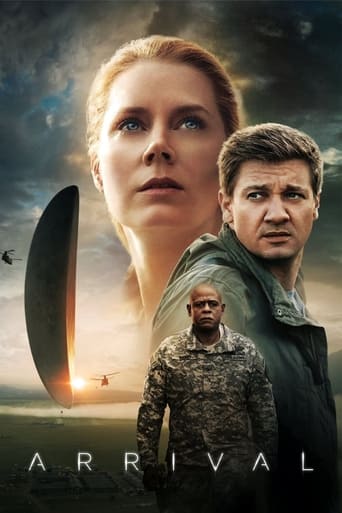
Sometimes space comes to us. Arrival, directed by Denis Villeneuve, follows a linguist, played by Amy Adams, as she learns to communicate with visitors whose understanding of time transforms her own; it is one of the most moving science-fiction films of the century. Mars Attacks!, from Tim Burton, is a gleefully chaotic invasion comedy, Cowboys & Aliens brings flying saucers to the Old West with Daniel Craig and Harrison Ford, and The Day the Earth Stood Still sends Keanu Reeves as a messenger with a warning for humanity.
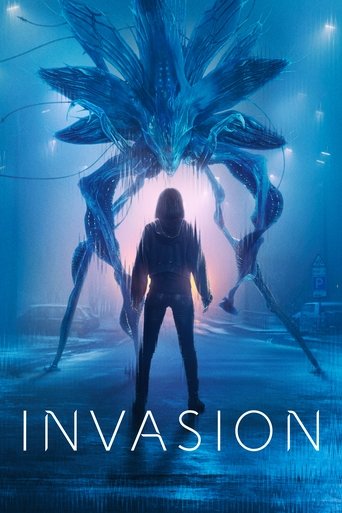
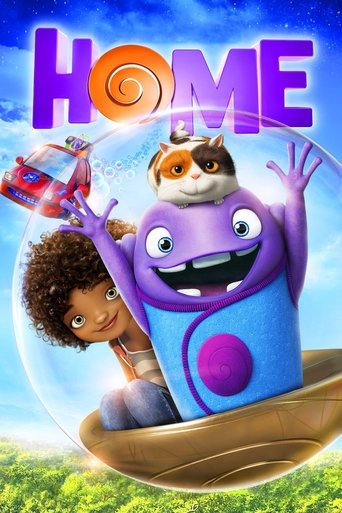
The family shelf is full of friendly aliens. Explorers follows three boys who build a spaceship in their back garden, and Home pairs a runaway alien with a girl searching for her mother. For grown-ups, Invasion follows an alien arrival through the eyes of ordinary people on several continents, and the classic miniseries V imagined visitors with a very different agenda. The Visitors to Earth collection has twenty-four of them.
Animated adventures
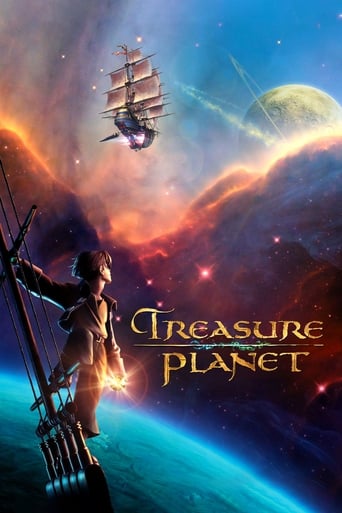
Animation can take space to places only a pencil or a computer can reach. Treasure Planet reimagines Robert Louis Stevenson's Treasure Island among solar sails and space pirates, Titan A.E. follows a young man searching for a legendary ship that could give humanity a new home, and Lightyear tells the origin story of the Space Ranger who inspired a famous toy. Scavengers Reign is a breathtaking animated series about the survivors of a crashed ship on a wildly strange planet, and Final Space mixes comedy with a surprisingly emotional saga. The Animated space adventures shelf gathers fifteen of them.
Planets of the apes
The Planet of the Apes series began with astronauts landing on a world ruled by intelligent apes. Aether carries Beneath the Planet of the Apes and Escape from the Planet of the Apes, in which two ape scientists travel back in time to 1970s Earth, and Tim Burton's Planet of the Apes of 2001, which reimagines the story with a new astronaut and a new twist.
Television among the stars
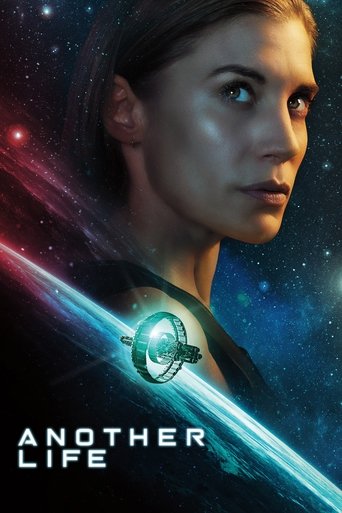
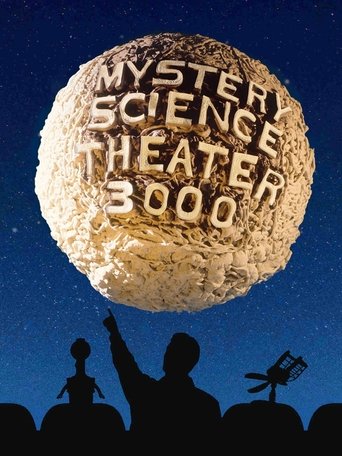
Space has been a home for television since the 1960s. The original Lost in Space of 1965 sent the Robinson family and their robot on a series of colourful adventures, and the 2018 Lost in Space retells the story as a family survival drama. Space: 1999 set the Moon adrift from Earth's orbit with a base full of people aboard, and Mystery Science Theater 3000 placed a man and his robots on a satellite, forced to watch terrible films and joke their way through them. Modern series such as For All Mankind, which imagines a world where the Soviet Union reached the Moon first, Constellation and Another Life continue the tradition with bigger budgets and bolder storytelling.
Subtitles and audio
The official services offer English subtitles and captions for almost every title on Aether, and many add dozens of other languages and dubbed tracks. Audio description is widely available too, and it suits the long, quiet passages of space films beautifully. Space films are also famous for their sound: the silence of the vacuum, the rumble of a launch, the hum of a ship's engines. Headphones or a good sound system make a real difference. The subtitles guide explains how to change tracks in the player.
How Watch now works
Every title page has a country selector and a Watch now button. Choose your country, press the button, and JustWatch opens with the official services that carry the title where you live, grouped into subscriptions, free services with adverts, and places to rent or buy. Pick one and the title plays in that service's own app or website. Your country is remembered for next time. The how to watch guide walks through the steps.
The services behind the guide
Space titles are spread across many services. Paramount+ is the home of most Star Trek, Disney+ carries Star Wars, Apple TV+ produces several ambitious space series, and Netflix, Prime Video, Max and Peacock each carry a share of the films. Many classic films are easy to rent or buy from Apple TV, Google TV and Prime Video. The where titles stream guide introduces each service, and the Watch now button always shows the current options for your country.
Free ways to watch
There are plenty of legal ways to explore space at zero cost. Free services with adverts, such as Tubi, Pluto TV and The Roku Channel, carry many classic science-fiction films and series, and NASA and other space agencies publish launches, documentaries and restored archive films on their official channels. Press Watch now and choose your country to see the free options beside the paid ones. The free space films guide has the details.
Apps and devices
Aether works in any modern browser on a phone, tablet, laptop or desktop computer, and it can be pinned to a phone's home screen. The titles play in the official apps of each service, available for Fire TV, Google TV, Apple TV, Roku, games consoles and smart televisions, and space films deserve the biggest, darkest screen you can find. The apps and devices guide explains more.
My List, your flight plan
My List is your personal flight plan. Press Add to My List on any title page and it joins your list at once. For series, tick the episode you reached, handy for the long voyages of Star Trek: The Next Generation, Stargate SG-1 or Red Dwarf. My List lives in your own browser, so it stays private, and the Export and Import buttons carry it to another device as a small file. The My List guide explains every button.
The official Aether site
The official Aether site has a deep navy night sky scattered with stars, a serif AETHER wordmark with a gold star, a glowing pale-blue planet, a constellation of round portraits and numbered Orbit shelves. Every Watch now button leads to JustWatch, and from there to the official services. The official site guide describes the design, so you can always recognise the real Aether.
Streaming safely
A few habits keep streaming safe. Install apps from the official stores, give each service its own strong password with two-step sign-in, and check that the address bar shows the real name of the service before you pay for anything. Aether links only to JustWatch, and JustWatch links only to official services. The safety guide has a short checklist.
Is Aether working?
If a page seems slow, open the home page and then any title. If both appear, the site is running well, and a refresh, a cleared cache or another browser usually settles the rest. Playback takes place on each streaming service, so its help centre is the right place for playback questions. The site status guide lists each step.
Privacy
Aether keeps your information under your own sky. My List, your viewing country and your episode marks are saved in your browser's local storage, and clearing your browser data clears them too. The site loads posters from TMDB, its two fonts and the small script behind search and My List. The privacy page gives the full details.
How the catalogue is chosen
Every title on Aether was picked by hand. The shelves hold films, series and documentaries set in space or about the journey there, from 1965 to 2025, chosen for their quality, their popularity and their place in the history of the genre. Each title was screened individually, and the guide leaves horror-led and sex-led titles to other corners of the web. Titles that already live on the other guides of the Claude V2 family, such as Interstellar, The Martian, 2001: A Space Odyssey, Contact, The Expanse and the original Star Wars trilogy, are left to those guides, so each site keeps its own character. Posters and production details come from TMDB.
The story of Aether
The name Aether has passed through many hands online: a collection of digital artworks, a domain for sale, a parking page, a software company and a news dashboard. Those pages belonged to other trades, so the new Aether began with a clear sky and an old idea, the bright upper air of the ancient heavens. It is an independent guide to space on screen, run by an editorial team of stargazers, and it points every visitor to the official services.
Your first visit
On your first visit, start with the constellation at the top of the home page: six favourites that show the range of the guide. Then travel down through the numbered orbits, pausing at the mission log for the true stories. If you already have a destination in mind, type it into the search field. Save anything that catches your eye to My List, and when you are ready, press Watch now.
A night under the stars
A space film is best enjoyed like a night of stargazing. Dim the lights, turn the sound up a little, and let the quiet passages breathe. Pair a true story with a fictional voyage, such as a Mercury astronaut's first flight followed by a lonely shift on the far side of the Moon, or a space comedy with the classic it lovingly mocks. If the sky is clear afterwards, step outside and look up: the same stars are waiting.
Science and imagination
Space films sit at a fascinating meeting point between science and imagination. Some go to great lengths to be accurate, consulting astronauts and physicists about orbits, radiation and the way objects move in zero gravity. Others happily bend the rules for the sake of adventure, with sound in the vacuum, faster-than-light engines and friendly aliens who speak perfect English. Both kinds have their pleasures, and noticing where a film chooses realism and where it chooses wonder is part of the fun.
A short history of space on screen
Space has been part of cinema since its earliest days, when a silent film of 1902 sent a rocket into the eye of the Man in the Moon. The serials of the 1930s and 1940s followed square-jawed heroes to alien worlds, and the 1950s brought flying saucers and atomic-age anxieties. The real space race of the 1960s changed everything: audiences had watched real astronauts on the Moon, and films began to take space seriously. The 1970s and 1980s brought the great space sagas and a golden age of television science fiction, and in recent decades digital effects have allowed film-makers to show the cosmos with astonishing beauty. The 1965 to 1989, 1990 to 2009, 2010 to 2019 and 2020 onward shelves follow the story.
Crews and families
Many of the best space stories are really about people living together in a small space. A starship crew becomes a family, with its quarrels, jokes and loyalties, and long-running series let those relationships grow over many seasons. Viewers who come for the spaceships often stay for the characters: the captain who has to make impossible choices, the engineer who can fix anything, the outsider who finds a home among the crew. That warmth is why so many space series have devoted fans decades after their final episode.
Clear skies
Whatever you choose, from a real Moon landing to a comic cruise among the planets, from a solitary miner on the lunar far side to a starship crew seeking out new worlds, the stories on Aether invite you to look up and wonder. Follow the orbits, read the mission log, keep your flight plan in My List, and when the credits roll, come back for the next voyage. Share your favourites with friends and family, and pass on the stories that filled you with the wonder of the stars.
How space is filmed
Showing space on screen has always been a technical adventure. Early film-makers hung painted rockets on wires in front of black velvet sprinkled with glitter. In the late 1960s and 1970s, model makers built detailed miniature spacecraft and filmed them with motion-control cameras that could repeat the same move many times, layering ships, planets and stars into a single shot. Later came digital effects, which let film-makers build whole nebulae, ringed planets and fleets of ships inside a computer. Today, many productions combine both approaches, filming actors in large light boxes and on stages surrounded by giant screens that display the surrounding space in real time, so the performers can see the stars they are meant to be floating among.
Weightlessness is one of the hardest things to film. Crews have used wires, tilting sets, rotating rooms, robotic arms and even real flights in aircraft that dive steeply to give passengers a few seconds of true zero gravity. Watching closely for how each film solves the problem is a pleasure of its own, and the best solutions are so convincing that the audience forgets there was ever a problem to solve.
Astronauts on screen
Real astronauts have a complicated relationship with space films. Many say that the films inspired them to apply in the first place, and several have served as advisers on productions, teaching actors how to move in a spacesuit, how to speak on the radio and how a real crew works together under pressure. Some have even appeared in documentaries on these shelves, telling their own stories with humour and humility. Their accounts share a common thread: the view of the Earth from orbit, small, bright and fragile against the dark, changes the way a person sees everything.
The music of the spheres
The ancient idea of the aether came with another beautiful notion: the music of the spheres, the belief that the planets made a harmony as they turned. Space films have always sought their own version of that music. Some use grand orchestral themes that swell as a ship comes into view; others use ambient electronic textures, choral voices or a single piano to suggest the vastness and silence of the cosmos. Rock and pop soundtracks, from a thunderous 1980 album to a mixtape of 1970s hits, give other space adventures their swagger. Listening carefully is a good way to feel what a film wants you to feel about the universe.
Hope and wonder
For all its dangers, space on screen is often a symbol of hope. The best space stories suggest that curiosity, cooperation and courage can carry humanity further than anyone imagined. Crews from different backgrounds learn to trust each other, engineers solve impossible problems with the materials at hand, and explorers return home with a new sense of how precious the Earth is. That spirit of optimism is one reason space stories remain so popular with families, and why so many people who work in science and engineering say they were first inspired by a film or a series they watched as children.
Watching with children
Space is a wonderful subject to share with children. Animated adventures are an easy start, and many of the true stories on the shelves, about young rocket builders, brilliant mathematicians and astronauts who rescued their own mission, are gripping for older children and teenagers. Watching a launch or a Moon landing documentary together can spark questions about planets, rockets and stars that lead to library books, museum visits and nights spent with a pair of binoculars. Check the age rating on each service, and choose a title that suits the youngest viewer.
Imagined worlds
Space stories have given us some of the most vivid imagined places in popular culture: desert planets and ice moons, bustling space stations where dozens of species trade and argue, colony ships that are whole cities in miniature, and frontier worlds where settlers live much as pioneers once did on Earth. These places are designed by teams of artists, architects and engineers who think carefully about how people would really live there, from the layout of a ship's galley to the way light falls through a porthole. Paying attention to these worlds, their corridors, their markets and their homes, is one of the quiet joys of watching.
Voices of the galaxy
Space fiction loves invented languages and cultures, and some have taken on a life of their own, with dictionaries, courses and devoted speakers around the world. Other stories focus on the challenge of communication itself: how would we talk to beings whose minds work very differently from ours? The most thoughtful films on the subject treat language as a key to understanding, and suggest that learning to listen may be the greatest adventure of all.
Journeys worth repeating
Space stories reward a second viewing. The first time through, you follow the mission and feel the danger. The second time, you notice the craft: the way a quiet shot of the Earth prepares an emotional moment, the careful sound design of a spacewalk, the small details of a ship's interior that tell you who lives there. Long series reward a rewatch too, as early episodes plant ideas that pay off seasons later. Many fans keep a small list of favourite episodes and scenes to revisit whenever they need a dose of wonder.
Following the seasons of a long series
Some of the series on Aether run for many seasons, and following one from the beginning is a commitment worth making. Start with the first season, accept that early episodes are sometimes a little uneven while the cast and writers find their feet, and enjoy the way the characters deepen over time. Tick your progress in My List, take breaks between seasons if you like, and savour the finales, which often gather years of storytelling into a single unforgettable hour.
Space stations
Space stations are among the most appealing settings in science fiction, because they turn space into a place to live rather than merely a place to pass through. A station has neighbourhoods, markets, bars and hospitals, residents and visitors, and it gathers stories the way a port city does. Two of the most celebrated series on Aether are set aboard stations at the crossroads of great powers, where diplomacy matters as much as firepower, and several films imagine the lonely outposts of the future, from mining bases on the Moon to research stations on the ice of distant worlds. Each shows a different answer to the same question: what would it really be like to make a home among the stars?
Generation ships and long voyages
The distances between the stars are so vast that some stories imagine journeys lasting centuries, aboard ships where whole generations are born, live and die before arriving. These generation ships raise fascinating questions about memory, purpose and belonging: what does a mission mean to people who inherited it rather than chose it, and how does a community keep its knowledge alive across hundreds of years? Other stories use suspended animation, with passengers sleeping through the voyage in pods, until something goes wrong and someone wakes too early. Both ideas lead to some of the most thoughtful storytelling in the genre.
First contact
The moment of first contact with another intelligence is one of science fiction's great set pieces, and it can be told in many moods. Sometimes it is a terrifying invasion, sometimes a comedy of misunderstandings, and sometimes a patient, moving attempt to understand a mind utterly unlike our own. The best first-contact stories use the encounter to reflect on ourselves: our fears, our generosity, our languages and our capacity to change. Watching several of them side by side, from the playful to the profound, is a fine way to explore the range of the genre.
Coming home
So many space stories end with a return: a capsule splashing into the ocean, a shuttle gliding onto a runway, a starship turning for home after years away. The homecoming is where the emotional weight of the journey lands. Astronauts often describe the strange joy of feeling gravity again, smelling rain and grass, and seeing the faces of the people who waited for them. Films that capture that moment well tend to stay with viewers for a long time, because they remind us that the point of going out into the universe is, in the end, to understand the place we came from.
From the screen to the sky
A space film can be the start of a real adventure. Many cities have planetariums and science museums with exhibits on rockets and astronauts, astronomy clubs welcome beginners to their star parties, and a simple pair of binoculars will show the moons of Jupiter and the craters of our own Moon on a clear night. Space agencies publish free images, launch broadcasts and educational material, and apps can identify the planets and constellations above you. After the credits roll, step outside and look up; the view is the oldest show in the universe.
Robots and ship computers
Space stories are full of memorable machines: helpful robots with cheerful beeps, anxious androids, ship computers with calm voices and small drones that tend gardens among the stars. These characters often carry the heart of a story, asking what it means to be alive, to be loyal and to care for others. Some are comic sidekicks, some are wise companions and a few are unsettling mysteries, but together they show how much the genre loves to imagine the partnership between people and the machines that carry them into the dark.
Other worlds
Every planet on screen is a small act of imagination. Designers decide the colour of the sky, the pull of gravity, the plants and creatures, the weather and the length of a day. Some worlds are lush and welcoming, others harsh and barren, and many are borrowed from real places on Earth, deserts, glaciers and volcanic plains, filmed to look utterly alien. Spotting the real landscapes behind the invented planets is a favourite game among fans, and a reminder of how strange and beautiful our own world already is.
Light and colour in space films
Cinematographers have developed a rich visual language for space. The harsh, unfiltered sunlight of orbit creates sharp shadows and blinding highlights, while the interiors of ships glow in cool blues, warm ambers or the red of emergency lighting. Some films favour clean white corridors and a clinical calm; others prefer cramped, lived-in cabins full of cables, stickers and family photographs. The colour of a film's space tells you a great deal about its mood, from the wonder of a first launch to the dread of a failing ship, and learning to read it adds a new layer to every voyage.
Questions
What is Aether?
Aether is a guide to films and series set in space, from real missions and documentaries to space opera, Star Trek, Stargate, Star Wars series and space comedy, with a Watch now button for every title that opens it on the official services in your country.
Why is it called Aether?
Aether was the ancient name for the bright upper air of the heavens, the substance that filled the sky beyond the sky.
How do I watch a title?
Open the title page, choose your country and press Watch now. JustWatch opens with the official services that carry it where you live.
Which film should I start with?
Apollo 13, Gravity, Moon, Galaxy Quest and Star Trek II: The Wrath of Khan are superb first choices.
Which series should I start with?
Star Trek: The Next Generation, Firefly, Battlestar Galactica and For All Mankind each offer a different kind of voyage.
Are there documentaries?
Yes. The Space documentaries shelf includes Apollo 11, For All Mankind, In the Shadow of the Moon and The Farthest.
Are there family-friendly titles?
Yes. The animated shelf and the visitors to Earth shelf include many titles for younger viewers; check the rating on each service.
How do I keep track of long series?
Add the series to My List and tick the episode you reached. Your place is kept in your browser.
Can I move My List to another device?
Yes. Export My List to a small file, then import it on the other device.
Where do the posters and details come from?
Posters and production details come from TMDB, and the guides and descriptions are written for Aether.